
Nitrous (Happy Gas) & IV Sedation
Enhance Your Dental Experience with Sedation: Comfort and Calmness Combined
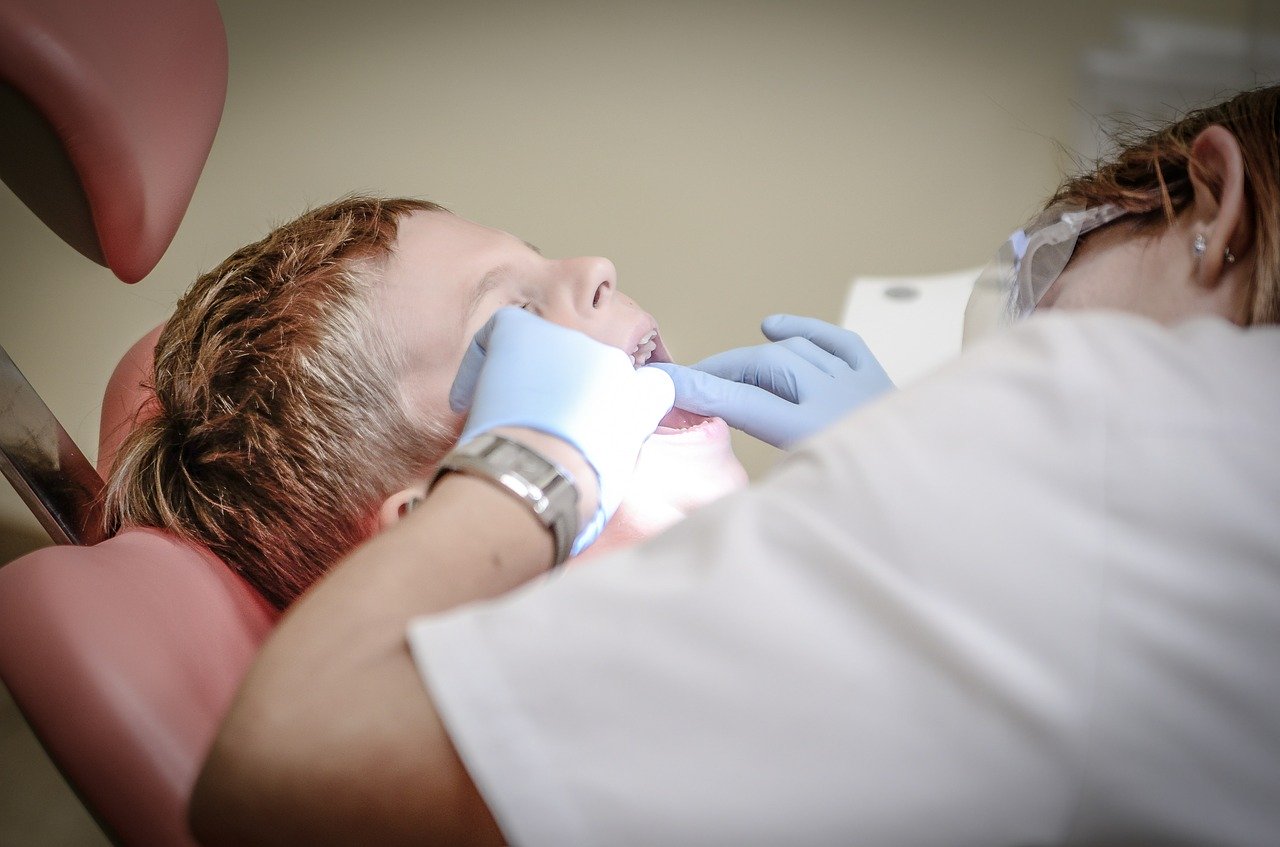
We understand that visiting the dentist can sometimes be an anxiety-inducing experience. It’s no secret that many avoid coming to the dentist and getting their necessary care because they’re anxious about the procedures and what will happen during their appointment. That’s why we offer the option of dental treatment under the calming effects of sedation. Sedation dentistry, also called “sleep dentistry,” involves administering sedatives before dental procedures to reduce a patient’s level of anxiety. This encompasses a range of techniques dentists employ to help calm patients or make them feel more comfortable. Sedative medication may be administered orally (oral sedation), intravenously (IV/twilight sedation), or by inhalation (nitrous oxide gas/happy gas), without having to undergo the stress or cost of underdoing a full general anaesthetic in hospital. Dental sedation empowers nervous patients to pursue treatment without being hindered by their fears or anxieties. It may also benefit people who fear needles or have a sensitive gag reflex or a low pain threshold. When effectively anaesthetised and sedated, our dentists are able to work efficiently, knowing you are comfortable.
Our goal is to ensure your dental experience is comfortable and safe, and to ensure your access to dental care is not hindered by anxiety.
What is Nitrous Oxide Gas?
Benefits of Nitrous Oxide Gas:
Relaxation:
Quick Onset and Recovery:
Enhanced Comfort:
No Lingering Effects:
Your Nitrous Oxide Experience:
During your dental appointment, our experienced team will carefully monitor your comfort levels and adjust the nitrous oxide concentration to ensure you feel relaxed and at ease.
You’ll be able to communicate with our team throughout the procedure, and many patients find that time seems to pass quickly while under the effects of the gas.
Is Nitrous Oxide Gas Right for You?
Nitrous oxide gas is an excellent option for patients of all ages who seek a comfortable and stress-free dental experience. If you’ve been avoiding dental treatment due to anxiety or fear, nitrous oxide gas can provide the relaxation you need to receive the care you deserve.
INTRAVENOUS (IV/Twilight) Sedation
Understanding IV Sedation
IV sedation involves the administration of sedative medications through a small needle placed in your vein, usually in your arm or hand. This induces a state of deep relaxation, making you feel at ease and less aware of the dental procedures being performed. Despite being in a relaxed state, you remain conscious and able to respond to any instructions from the dental team.
The Benefits of IV Sedation:
Profound Relaxation:
Time Efficiency:
Pain and Sensitivity Reduction:
Amnesia Effect:
Your IV Sedation Experience:
We work closely with the team at Dental Sedation Victoria to provide gentle and safe twilight sedation in house. Before your appointment, their extremely experienced team will review your medical history and explain the entire IV sedation process, ensuring that you are fully informed and comfortable.
During the procedure, you will be kept comfortable and warm with a large blanket, and your vital signs will be continuously monitored to ensure your safety and well-being. You will remain in our care until we are certain you are ready for discharge, where you will need to be accompanied home.
Is IV Sedation Right for You?
IV sedation is an excellent option for patients generally 12-70 years of age, who experience dental anxiety, have a low pain threshold, require complex procedures, or simply want to make their dental experience more relaxing. If you’ve been delaying necessary dental work due to apprehension, IV sedation can provide the solution you’ve been seeking.

FAQs for sleep dentistry
Who is a good candidate for sleep dentistry?
- Patients who are nervous or anxious about going through dental procedures or visiting the dentist (dental anxiety)
- Patients with oversensitive gag reflexes
- Patients who fear needles
- Those whose teeth are extremely sensitive
- People who feel claustrophobic in the dental chair
- Patients who are less sensitive to local anaesthesia
- Patients who have trouble controlling their movements
- Children who are frightened of the dentist or unable to cooperate can be safely treated with nitrous gas